


(Parts of Khyber, Bannu to be Evacuated for Action Against ‘Miscreants’
By Manzoor Ali )The article, published two days ago, has sparked widespread reactions among the patriotic residents of Bannu and the surrounding areas, home to Pashtun communities living on their ancestral lands. Many locals have expressed frustration and anger, with some criticizing their leaders as traitors and cowards. Social media has seen a flurry of negative comments, with claims that the situation is part of a so-called “dollar game” orchestrated by foreign interests to destabilize the Pashtun region. Critics allege this game aims to destroy the region’s peace, economic stability, political structure, and traditional way of life.
Militants have established numerous bases in Bannu and nearby areas, exerting control over local residents and plunging the region into chaos. Peace and stability have deteriorated, giving way to violence, including target killings and a rising sense of insecurity. To address this grave situation, the Apex Committee convened to make critical decisions and initiate decisive actions against the elements responsible for the unrest.
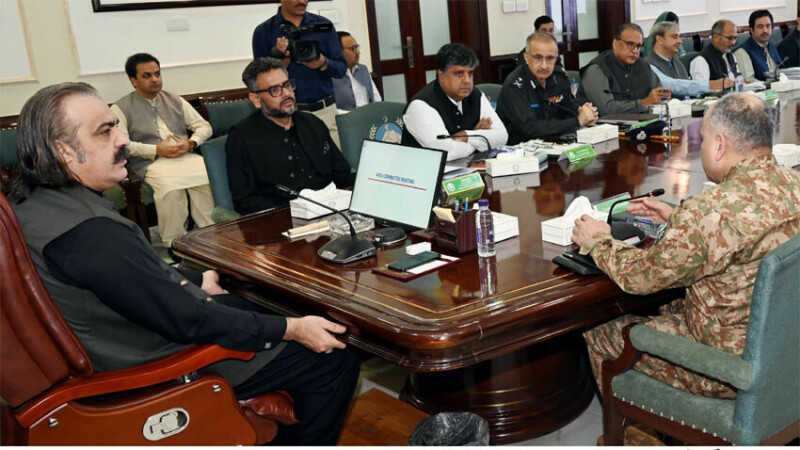
A high-level meeting was held in Peshawar, attended by senior army officers, political representatives, and civil authorities. The meeting aimed to strategize efforts to restore peace in the troubled regions. The meeting was chaired by Khyber Pakhtunkhwa Chief Minister Ali Amin Gandapur and attended by key officials, including Peshawar Corps Commander Lt Gen Omer Ahmad Bukhari, KPK Chief Secretary Nadeem Aslam chudhary , , inspector general of police Akhtar Hayat Khan Gandapur and other senior civil and military servants.
The reaction from the people of Bannu was prominently seen on social media and other platforms. They argued that a military operation alone is not the solution for de-Talibanization in the region but that demilitarization is also necessary. The people of Bannu have raised several questions on social media: What will be the effects of the operation on the region? Will the operation bring lasting peace and end Talibanization and terrorism? Will the state take responsibility for safeguarding lives and property? Can the state guarantee that terrorism will not return after the operation?
The committee has specifically mentioned areas like Jani Khel and Tirah, but they have not directly named settled areas of Bannu for military operations. Nevertheless, the people of Bannu are facing numerous problems, including target killings, bomb blasts, Taliban patrolling, and an unsafe environment even for the police. Terrorist attacks have occurred in highly secured areas such as Bannu Cantonment and the Bannu Police Line. Recently, six terrorists attacked the Police Line during a funeral being attended by military personnel, civilians, and local youth. Such incidents highlight how the Taliban have become a severe threat to the local population, disrupting their daily lives and creating a climate of fear and instability.
There are two sides to a military operation: positive and, unfortunately, negative. If the operation fails and does not bring any significant reduction in insurgency, the negative consequences will undoubtedly fall upon the local people. They will likely suffer from increased Talibanization and terrorism as a result of Taliban retaliation. The local population will bear the brunt of the side effects.
As we know, various military operations have been conducted over the past two decades. Were these operations truly successful in establishing peace, or did they primarily result in the destruction of mass markets and businesses? The people of Jani Khel and other tribal areas have already endured immense suffering due to past military interventions. This is why they now oppose any further military action in their regions.
The reaction from the people of Jani Khel has been circulating on social media. They gathered in the form of a demonstration to condemn the military operation. An elder, Dada Gulli from Amal Khel, delivered a speech in English to the tribespeople who had gathered to oppose military intervention in their region. In his speech, he emphasized the power of unity, referencing the famous proverb, “Union is strength.” He urged all of Jani Khel to unite as one force, stand under a single umbrella, and fight together.
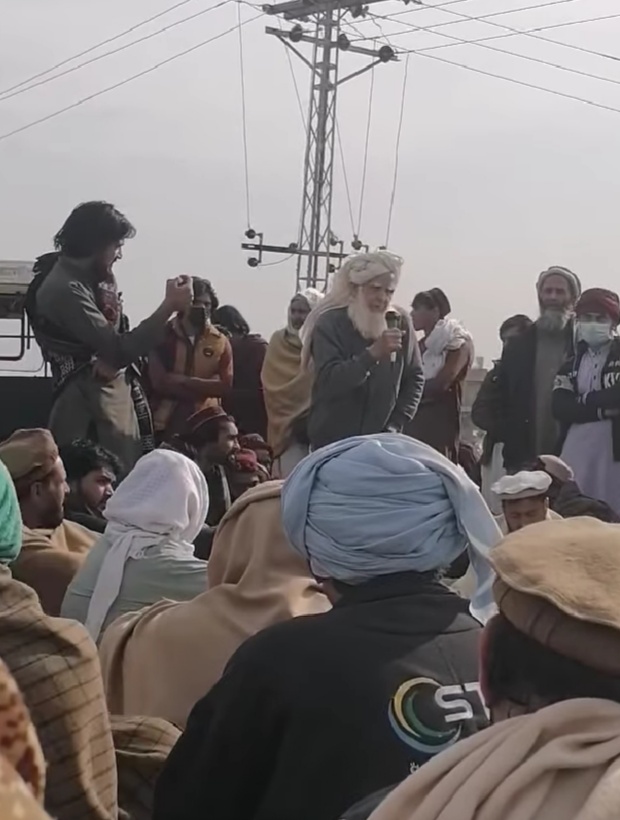
He claimed that three key groups are responsible for terrorism and insurgency in their region: the Pakistan Army, the Taliban, and a third entity providing support to both, allegedly the ISI. He raised a critical question, asking, “Who trained the Taliban and settled them here to create instability and carry out terror activities?”
He sent a message to the Pakistan Army, stating, “One day you will be disowned and fail to fight against terrorism, and your unity will crumble.” He also warned the people of Jani Khel, saying, “You will be evacuated from this area and forced to migrate to settled areas in Bannu or elsewhere, as we experienced a decade ago. We will leave behind our properties, animals, homes, and shelters, all to be taken over by the Pakistan Army.”
[support my website for regular updates and don’t forget feedback ]

Great work! Please keep sharing reliable and relevant news updates, especially like in the article mentioned
thanks for courage me
Very helpful and informative. Keep sharing such great pieces of news that are relevant and reliable.
Excellent effort! Looking forward to more reliable and relevant updates, like the article we talked in, and update about such important issues.
I love to read such a great piece of writing 😊,easy and understandable to all reader as well
A very informative analysis about current peace deficit in kurram and janikhel areas.
A very informative analysis about current peace deficit in kurram and janikhel areas. In a nutshell, the unity of mob is play a vital role in peace stability rather than military operations.
Very helpful
visit here time to time for more interesting information and progressive’s
contents.
I loved as much as you will receive carried out right here.
The sketch is attractive, your authored material stylish. nonetheless, you command get got an edginess
over that you wish be delivering the following.
unwell unquestionably come more formerly again since exactly the same nearly very often inside case you shield this increase.
Thank you! I appreciate your kind words and support!
The website design looks great—clean, user-friendly, and visually appealing! It definitely has the potential to attract more visitors. Maybe adding even more engaging content (like interactive posts, videos, or expert insights) could take it to the next level. Keep up the good work!
The situation in Bannu is deeply concerning, with militants creating chaos and fear among the local population. The Apex Committee’s efforts to strategize and restore peace are crucial, but the people of Bannu remain skeptical about the effectiveness of a military-only approach. Social media reflects the community’s demand for demilitarization and long-term solutions to end Talibanization. The lack of safety even in secured areas like Bannu Cantonment highlights the severity of the crisis. Will the state ensure that these operations lead to sustainable peace and address the root causes of terrorism?
This situation in Bannu is deeply concerning and highlights the complexities of addressing militancy in the region. It’s clear that military operations alone cannot solve the root causes of instability, and the concerns raised by the locals are valid. The focus on demilitarization alongside de-Talibanization seems essential for long-term peace. However, the lack of clarity on how the state plans to ensure safety post-operation is troubling. The people’s skepticism about the effectiveness of these measures is understandable, given the ongoing violence even in secured areas. How can the state build trust with the locals and ensure that these operations lead to sustainable peace? It’s crucial to address these questions to avoid further alienation of the community.
The situation in Bannu is deeply concerning, and it’s clear that the region is in dire need of effective solutions. While the Apex Committee’s efforts to strategize are commendable, one has to wonder if a military operation alone can truly address the root causes of terrorism and Talibanization. The people of Bannu have raised valid questions—how will this operation ensure long-term peace and safety, and what measures are in place to prevent a resurgence of violence? It’s alarming that even highly secured areas like Bannu Cantonment are not immune to attacks. Demilitarization, as suggested by locals, seems like a critical yet overlooked aspect of this strategy. What steps are being taken to address the socio-economic and political factors contributing to this crisis? Finally, can the state genuinely guarantee the protection of civilian lives and property, or is this just another temporary fix? Your thoughts on this?
The situation in Bannu is deeply concerning, and it’s heartbreaking to see the region plunged into such chaos. The violence and insecurity have made life unbearable for the locals, and it’s clear that immediate action is needed. However, I wonder if a military operation alone can truly address the root causes of the problem. The people of Bannu seem to believe that demilitarization is equally important, and their voices should not be ignored. It’s also troubling that even highly secured areas like Bannu Cantonment are not safe from attacks. What steps are being taken to ensure the safety of civilians and prevent collateral damage during the operation? Lastly, how can the state guarantee that peace will be sustainable and that terrorism won’t resurface in the future? These are critical questions that need answers.
The situation in Bannu is deeply concerning, and it’s clear that the region is in desperate need of stability. While the Apex Committee’s efforts to strategize are commendable, I wonder if a military operation alone can truly address the root causes of the unrest. The people of Bannu have raised valid questions about the long-term effects of such an operation—will it bring lasting peace, or is it just a temporary fix? It’s also troubling to hear about the ongoing violence, even in supposedly secure areas like Bannu Cantonment. Demilitarization seems like a crucial step, but how can it be effectively implemented without risking further chaos? What role can the local community play in this process? I’d like to hear more about the state’s plan to ensure that terrorism doesn’t resurface after the operation. What measures are being taken to address the underlying issues that fuel Talibanization in the region?
This situation in Bannu is deeply concerning and highlights the complexity of addressing terrorism and instability in the region. It’s clear that military operations alone cannot solve the root causes of the problem, and the concerns raised by the locals about demilitarization are valid. The lack of safety even in highly secured areas like Bannu Cantonment is alarming and raises questions about the effectiveness of current strategies. The people’s skepticism about whether the operation will bring lasting peace is understandable, given the history of the region. It’s crucial for the state to not only focus on military action but also address the socio-political factors fueling extremism. How can the government ensure that the operation doesn’t lead to further alienation of the local population? What long-term plans are in place to rebuild trust and stability in Bannu?
The situation in Bannu is deeply concerning, and it’s clear that the region is in desperate need of stability. While the Apex Committee’s efforts to strategize are commendable, it’s hard to ignore the skepticism expressed by the people of Bannu. Military operations alone may not address the root causes of the unrest, and the call for demilitarization seems valid. The questions raised by the locals are crucial—how can the state ensure that peace will be sustainable and that terrorism won’t resurface? It’s alarming to hear about the ongoing violence even in highly secured areas like Bannu Cantonment. What measures are being taken to protect civilians and restore their trust in the authorities? The lack of clarity regarding operations in settled areas adds to the uncertainty. Do you think the state’s current approach is sufficient, or is there a need for a more comprehensive strategy that includes dialogue and community engagement?
The situation in Bannu is deeply concerning, and it’s alarming to see how the region has descended into chaos due to militant activities. It’s clear that military operations alone won’t solve the underlying issues; demilitarization and addressing the root causes of extremism are equally crucial. The questions raised by the people of Bannu on social media are valid—how can the state ensure that peace will be lasting and that terrorism won’t resurface after the operation? The focus on areas like Jani Khel and Tirah is understandable, but why is there hesitance to directly address the settled areas of Bannu? The recent attacks on highly secured zones, such as Bannu Cantonment, raise serious doubts about the effectiveness of current strategies. The people deserve clarity and a comprehensive plan that goes beyond military action. Do you think the state is truly prepared to take full responsibility for safeguarding lives and property in the long term?
The situation in Bannu is deeply concerning, and it’s clear that the region is in desperate need of stability. While the Apex Committee’s efforts to strategize are commendable, it’s hard to ignore the skepticism of the local population. Military operations alone may not address the root causes of the unrest, and the call for demilitarization seems valid. The people’s questions about the long-term effects of the operation are crucial—will this truly bring lasting peace, or is it just a temporary fix? It’s alarming to hear about the ongoing violence even in highly secured areas like Bannu Cantonment. How can the state ensure that terrorism won’t resurface after the operation? What steps are being taken to address the underlying issues that fuel Talibanization in the region?
Этот текст вызывает серьезные опасения за ситуацию в регионе. Насилие и хаос, описанные здесь, кажутся невыносимыми для местных жителей. Интересно, почему военная операция рассматривается как единственное решение, хотя жители Банну явно сомневаются в ее эффективности. Возможно, стоит больше внимания уделить социальным и экономическим аспектам, чтобы искоренить корни проблемы. Почему комитет не упоминает напрямую населенные районы Банну в своих планах? Это вызывает вопросы о прозрачности их действий. Как вы думаете, действительно ли демонетаризация может стать ключом к долгосрочному миру? Или есть другие подходы, которые стоит рассмотреть?
Милитанты установили свои базы в Банну и окрестностях, что привело к хаосу и насилию в регионе. Мир и стабильность находятся под угрозой, а местные жители живут в постоянном страхе. Встреча высшего руководства в Пешаваре, кажется, направлена на разработку стратегии восстановления порядка, но вызывает вопросы. Почему не учитываются голоса самих жителей Банну, которые через социальные сети выражают свои опасения? Военная операция может быть лишь временным решением, а что будет дальше? Как гарантировать, что терроризм не вернется после её завершения? Почему не уделяется внимание демилитаризации и социальным программам, которые могут быть более эффективными в долгосрочной перспективе? Что думают участники встречи об этих предложениях?
The situation in Bannu is deeply concerning, and it’s clear that the region is in desperate need of stability. While the Apex Committee’s efforts to strategize are commendable, it’s hard to ignore the skepticism expressed by the locals. Military operations alone seem insufficient to address the root causes of the unrest. The people’s concerns about the long-term effects of such operations are valid—will this truly bring lasting peace, or is it just a temporary fix? It’s also troubling to hear about the ongoing violence in supposedly secure areas like Bannu Cantonment. How can the state ensure that terrorism won’t resurface after the operation? The focus on demilitarization alongside military action seems crucial, but will the authorities take this seriously? What steps are being taken to address the underlying issues that fuel Talibanization in the region? It’s time for a more holistic approach, and the voices of the people of Bannu must be heard.
Interesting analysis of the situation. The complexity of addressing militancy in Bannu is evident, especially with the rising insecurity and targeted violence. It’s concerning that despite high-level meetings, the root causes of Talibanization remain unaddressed. The people’s skepticism about a purely military solution seems valid—how can lasting peace be achieved without demilitarization? The focus on Jani Khel and Tirah is notable, but neglecting settled areas like Bannu might exacerbate the crisis. Will the state ensure that post-operation, the region doesn’t relapse into chaos? The concern for civilian safety and property is paramount—are there plans to rebuild trust with the locals? What role can the community play in this process?
The situation in Bannu is deeply troubling and seems to be spiraling out of control. It’s alarming how militants have managed to establish such a stronghold, causing chaos and insecurity for the local residents. The Apex Committee’s meeting sounds like a step in the right direction, but will their strategies be effective in addressing the root causes of the unrest? The people of Bannu are right to question whether a military operation alone can bring lasting peace—demilitarization and political solutions must also be part of the conversation. Why haven’t the settled areas of Bannu been directly mentioned in the committee’s plans, despite the clear threats there? The attacks on highly secured areas like the Bannu Cantonment raise serious concerns about the efficacy of current security measures. Will the state truly take responsibility for the long-term safety of the region, or will this be another temporary fix? The people deserve answers and a concrete plan that ensures their safety and stability.
The situation in Bannu and the surrounding areas is extremely grave and requires immediate attention and action. Here’s a summary of the information and actionable steps that can be taken:
1. **Current Situation:**
militants have established numerous bases in Bannu and nearby areas, exerting control over local residents and plunging the region into chaos. Peace and stability have deteriorated, giving way to violence, including target killings and a rising sense of insecurity.
2. **Meeting and Committees:**
The Apex Committee convened to make critical decisions and initiate decisive actions against the elements responsible for the unrest. A high-level meeting was held in Peshawar, attended by senior army officers, political representatives, and civil authorities. The meeting aimed to strategize efforts to restore peace in the troubled regions.
3. **Key Attendees:**
The meeting was chaired by Khyber Pakhtunkhwa Chief Minister Ali Amin Gandapur and attended by key officials, including Peshawar Corps Commander Lt Gen Omer Ahmad Bukhari, KPK Chief Secretary Nadeem Aslam chudhary, inspector general of police Akhtar Hayat Khan Gandapur and other senior civil and military servants.
4. **Public Reaction:**
The reaction from the people of Bannu was prominently seen on social media and other platforms. They argued that a military operation alone is not the solution for de-Talibanization in the region but that demilitarization is also necessary.
5. **Questions Raised:**
The people of Bannu have raised several questions on social media:
– What will be the effects of the operation on the region?
– Will the operation bring lasting peace and end Talibanization and terrorism?
– Will the state take responsibility for safeguarding lives and property?
– Can the state guarantee that terrorism will not return after the operation?
6. **Military Operations:**
The committee has specifically mentioned areas like Jani Khel and Tirah, but they have not directly named settled areas of Bannu for military operations. Nevertheless, the people of Bann are facing numerous problems, including target killings, bomb blasts, Taliban patrolling, and an unsafe environment even for the police.
7. **Terrorist Attacks:**
Terrorist attacks have occurred in highly secured areas such as Bannu Cantonment and the Bannu Police Line. Recently, six terrorists have been killed by the police, and many more have been arrested.
**Actionable Steps:**
1. **Increased Security:**
Increase security measures and patrols in the region to restore peace and stability.
2. **Military Operations:**
Implement military operations in the areas like Jani Khel and Tirah to restore peace and stability.
3. **Public Education:**
Educate the public on the effects of the operation and the importance of demilitarization in the region.
4. **Restoration of Peace:**
The government should take steps to restore peace and stability in the region.
5. **Military Response:**
The military should take action against the elements responsible for the unrest.
Ensure that the situation is normalized and that the people of Bann are safeguarded.
**Conclusion:**
The situation in Bannu is extremely grave and requires immediate attention and action. The government should take steps to restore peace and stability in the region. Increase security measures and patrols in the region to restore peace and stability. Educate the public on the effects of the operation and the importance of demilitarization in the region.
its good to share your ideas regarding the written work I done. thanks for supporting
This situation in Bannu is deeply concerning, and it’s alarming to see how quickly peace has deteriorated in the region. The idea of a military operation raises so many questions, especially about its long-term impact on the lives of the people there. Is demilitarization being considered as seriously as it should be? The concerns of the residents about their safety and the return of terrorism after the operation are valid and need urgent attention. It’s also troubling to hear about the lack of safety even in highly secured areas like Bannu Cantonment. What measures are being taken to ensure that the operation doesn’t lead to more violence or displacement? The state must address these questions transparently to gain the trust of the people.
Wir haben libersave in unser regionales Gutscheinsystem eingebunden. Es ist toll, wie einfach man verschiedene Anbieter auf einer Plattform bündeln kann.
The situation in Bannu is deeply concerning, and it’s disheartening to see the region plunged into such chaos. While military operations might seem like a solution, the concerns raised by the locals about demilitarization and long-term peace are valid. The emphasis on a high-level meeting is promising, but will the strategies discussed truly address the root causes of the unrest? The people of Bannu have legitimate fears about the aftermath of these operations—will it bring lasting peace or just a temporary lull? It’s crucial for the state to not only act decisively but also ensure accountability and transparency in its efforts. Can the government guarantee that the region won’t revert to violence once the operation is over? The focus on areas like Jani Khel and Tirah is understandable, but what about the settled parts of Bannu that are equally affected? The state must prioritize the safety and well-being of all its citizens.
Мы интегрировали libersave в нашу региональную систему купонов. Это замечательно, как легко можно объединить различных поставщиков на одной платформе.