
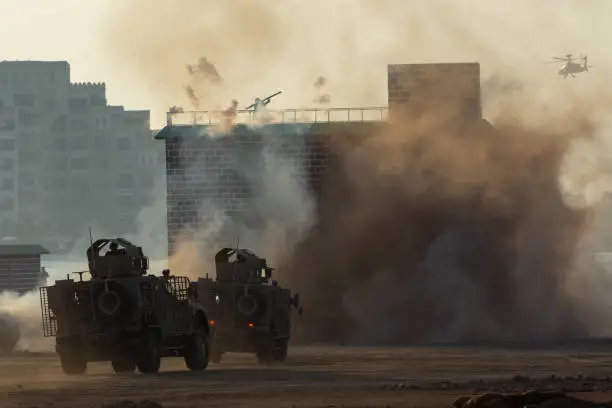

Terrorism has become a global problem, and Pakistan faces it significantly. Terrorism has affected Pakistan’s peace, progress, prosperity, and stability for decades. Its root causes stem from history, geopolitics, socio-economics, and religious extremism. This article explains how terrorism evolved, its causes, effects, and steps to overcome it.
Terrorism in Pakistan started during the Soviet invasion of Afghanistan in 1979. The United States, Pakistan, and Muslim countries supported Afghan fighters against the Soviet Union. Pakistan trained and armed jihad fighters to combat Soviet forces. Militant groups gained power when the Soviet Union retreated in the 1980s. The Taliban captured the Afghan government and imposed Islamic rule. After the 9/11 attacks, and direct blamed afghan Taliban ,the United States launched the War on Terror, making Pakistan a key ally.
Several causes contribute to terrorism in Pakistan. The geopolitical factor has played a major role, especially in regions near Afghanistan. Border areas like North and South Waziristan became safe areas for militants. After 9/11, militants moved to Waziristan and established their offices. Pakistan’s government provided housing to some groups during this period.
Religious misinterpretations also fuel terrorism. Militants misuse the concept of jihad to justify violence. The Taliban targeted Pakistan’s government for failing to implement Islamic law. They also launched attacks against the military and state institutions.
Economic challenges push people toward extremism. Poverty, unemployment, and lack of opportunities create depression. Some religious schools (madrassas) promote extremist ideologies. The education system shaped many extremist mindsets over the years. Dr. Fazal ul Rahim Marwat’s book, From Muhajir to Mujahid, explains how Afghan and Pashtun refugees embraced Talibanization. He discuses the way how militants were educated by pro-Islamic thoughts and principles and became Talib.
“Terrorism directly affects the economic, social, and geographical aspects of a country”
Terrorism has severely affected Pakistan, particularly KPK. Over 80,000 lives have been lost during the War on Terror. The economy has suffered billions of dollars in damage. Military operations displaced thousands of people between 2000 and 2015. In areas like Mir Ali and Miran Shah, homes, markets, and businesses were destroyed.
The Pakistani government has taken significant steps against terrorism. The military launched operations like Zarb-e-Azb and Radd-ul-Fasaad to eliminate terrorists. These efforts have reduced attacks but face ongoing challenges. The National Action Plan (NAP) focuses on improving security and curbing violent activities.
Despite efforts, many challenges remain.https://news-vista.com/2024/12/22/kpk-apex-committee-the-bannu-and-surrounding-areas-military-operation-and-people-reactions/ Militants continue to adapt and regroup in certain regions. Socio-economic issues like poverty and unemployment require urgent attention. Educational reforms are needed to counter extremist ideologies.
Addressing terrorism requires comprehensive measures. The government must invest in education to counter radicalization. Economic development will create jobs and improve living conditions. Reforms in law enforcement and governance will strengthen anti-terror efforts. Promoting unity and tolerance can rebuild trust among communities.
In conclusion, Pakistan has faced terrorism as a critical issue since 9/11. Addressing it demands tackling root causes, strengthening institutions, and fostering harmony. By focusing on education and development, Pakistan can overcome terrorism and ensure a peaceful future.


Pakistan must take action against such terrorists who manipulates region peace and prosperity.
Your critical endeavor to analyze and seek the truth behind terrorism in pak afghan reign is really insightful. Nations who enjoys to indulge in foreign matters for some unnecessary recognition or material wealth while compromising national security and long term consequences are doomed to encounter such chalanges which the common citizens are more likely to suffer and die.
off curse! Meddling in foreign affairs for short-term gains often backfires, leaving ordinary citizens to bear the brunt of the fallout. It’s a harsh lesson in prioritizing peace over power. All is going against common men.
Legislation is responsible of these situations
ZGNkqRs XxaQ RMZsh dFKBYMlq